Retro Class of 2028 Groovy Daisy Shirt
As a designer who spends more time than I care to admit staring at stitch lines and debating thread colorways, I approach every new digital asset with a mix of optimism and skepticism. The market is flooded with graduation designs, but few capture that specific intersection of nostalgia and modern trendiness without feeling cluttered or dated. That is exactly why I decided to put the Retro Class of 2028 Groovy Daisy Shirt design through its paces. This isn't just about whether it looks good on a screen; it is about how it translates to the hoop, how it holds up on fabric, and whether it will resonate with the customers browsing Etsy or walking into your craft fair booth.
The First Impression: Mood and Visual Personality
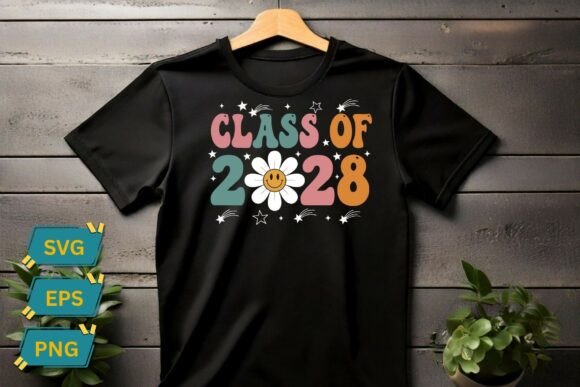
When you first load this file, the immediate takeaway is the vibe. It leans heavily into the "vintage boho" aesthetic that has been dominating home decor and apparel for the last few years. The groovy daisy motif is not just a flower; it is a statement piece that evokes warmth, creativity, and a touch of whimsy. For a graduating class of 2028, this design moves away from the traditional serif fonts and stiff academic imagery, offering something that feels personal, youthful, and distinctly handmade.
The layout strikes a balance between bold graphic elements and delicate details. The daisy petals provide organic curves that contrast nicely with the likely structured typography of the "Class of 2028" text. This combination suggests a design that is versatile enough for a playful baby onesie but polished enough for a teacher’s commemorative sweatshirt. It creates an emotional connection before the needle even touches the fabric, which is crucial for selling finished products in a crowded marketplace.
Real-World Application: From Screen to Stitch
I recently tested this concept by envisioning it as a custom embroidered tote bag for a local senior’s farewell party. The idea was to create a keepsake that felt less like merchandise and more like a cherished memory. Using the Retro Class of 2028 Groovy Daisy Shirt design on a natural canvas tote immediately elevated the product. The vintage feel of the daisy complements the raw texture of the canvas, creating a rustic yet refined look that appeals to the modern gift-giver.
In another scenario, I considered this design for a small batch of personalized aprons for a culinary school graduation. Here, the design would likely be placed over the heart or centered on the chest. The visual weight of the daisy ensures it doesn’t get lost against the busy patterns often found in kitchen textiles. However, the success of this application depends entirely on execution. A simple fill stitch might overwhelm the delicate lines of the daisy, whereas a combination of satin stitches for the outlines and lighter fill stitches for the centers could preserve the artistic integrity of the original artwork.
Apparel and Wearable Projects
This design shines when applied to custom apparel. Whether it is a soft cotton t-shirt for the graduate or a heavyweight hoodie for proud parents, the retro theme fits seamlessly. For sweatshirt embroidery, the design’s bold shapes work well because they can accommodate slightly thicker threads, giving the final product a plush, high-quality appearance. It also translates beautifully to cap embroidery, where the curved surface adds a dynamic element to the circular nature of the daisy motif.
For those looking to expand their product line, consider this for baby embroidery items. A onesie featuring this design could serve as a memorable milestone gift, capturing the sentiment of a family celebrating their child’s future. The gentle, floral elements make it gender-neutral and broadly appealing, increasing its potential sales volume for any Etsy seller or small shop owner.
Technical Considerations and Potential Pitfalls
No design is perfect, and understanding the limitations of the Retro Class of 2028 Groovy Daisy Shirt is key to avoiding customer complaints. One area that requires careful attention is the detail level. If the design includes intricate inner veins on the daisy petals or tiny decorative accents, these may become muddy if stitched too small. In a small hoop size, fine lines can merge together, losing the definition that makes the design attractive. Always inspect the smallest elements in your software before committing to production.
Fabric choice plays a massive role in the final outcome. While this design looks stunning on stable cottons and linens, it may struggle on highly textured fabrics or thin, stretchy materials like jersey knit without proper support. Stretchy fabrics can distort the shape of the daisy, causing the circles to wobble and the text to skew. To prevent this, using the right stabilizer is non-negotiable. A cut-away stabilizer provides the necessary stability for washable garments, ensuring the embroidery project maintains its shape after multiple laundering cycles.
Another critical factor is thread color contrast. On dark fabrics, the retro pastel tones typical of this style might lack visibility unless you use high-density stitching or add a contrasting outline. Conversely, on light fabrics, ensure the thread colors are vibrant enough to pop against the background. Testing your thread colors on scrap fabric that matches your final product is the only way to guarantee accuracy.
Where to Use With Caution
- Dense Stitch Areas: Avoid placing heavy fill stitches directly adjacent to each other without adequate spacing, as this can cause puckering.
- Curved Surfaces: When embroidering on hats or bags with significant curvature, monitor the tension closely to prevent thread breaks.
- Tiny Lettering: If the design includes small text, verify legibility. Customers need to read "Class of 2028" clearly from a distance.
- Frequent Washing Items: For items like kitchen towels or aprons, ensure the design is anchored securely to withstand industrial-style washing.
Strategic Advice for Designers and Sellers
Before adding this to your catalog or starting a client order, take a moment to review the technical specs. Although specific stitch counts or file formats are not provided in the initial description, you should always confirm compatibility with your machine and software. Check whether the file is a standard machine embroidery design format or if it requires conversion.
Consider the licensing terms carefully. If you plan to sell finished items, ensure you have commercial rights. Many designers offer different tiers for personal use versus commercial embroidery. Misunderstanding these terms can lead to legal issues, so read the fine print regarding design assets and resale rights.
To maximize the appeal of the Retro Class of 2028 Groovy Daisy Shirt design, invest time in your presentation. Create printable mockups that show the design on various backgrounds and garment types. This helps potential buyers visualize the final result and increases trust in your craftsmanship. Highlight the versatility of the design—it works as a standalone piece, as part of a set, or as a unique accent on larger items.
Final Verdict
The Retro Class of 2028 Groovy Daisy Shirt is a strong contender for anyone looking to tap into the graduation market with a fresh, trendy aesthetic. Its blend of vintage charm and modern simplicity makes it suitable for a wide range of applications, from personalized gifts to craft business inventory. By paying close attention to stitch density, fabric selection, and stabilization, you can transform this digital file into a tangible, high-value handmade product that customers will love. Just remember to test thoroughly, respect the design’s limitations, and let the quality of your execution speak for itself.