Retro Checkered Cheer Coquette Design Review
When I am scouting for a digital asset to elevate a client’s custom apparel line or a personal gift project, I look for more than just a pretty picture. I need to know how it translates from screen to fabric. That is exactly why I took the Retro Checkered Cheer Coquette Design for a spin in my embroidery studio. As an experienced designer who reviews these assets for real-world application, I wanted to share my honest take on how this file performs when stitched out, where it shines, and what pitfalls to avoid.
The First Impression: Mood and Visual Personality
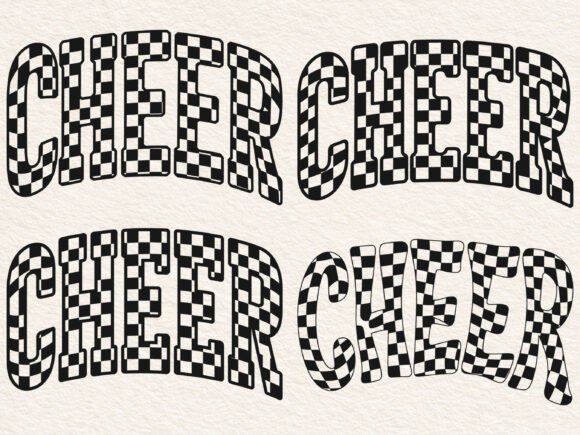
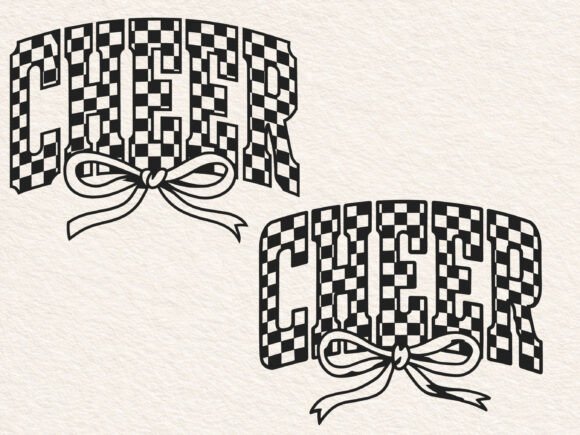
The moment you load the Retro Checkered Cheer Coquette Design, the aesthetic is unmistakable. It taps into that nostalgic yet trendy intersection of 70s retro vibes and modern "coquette" softness. The checkered pattern provides a structured, graphic backbone, while the coquette elements—likely featuring bows, delicate lines, or playful typography—add a layer of femininity and charm. This isn’t just a generic clipart; it has a distinct visual personality that feels curated.
For designers, this mood is incredibly versatile. It works beautifully for brands targeting Gen Z and Millennials who appreciate vintage aesthetics mixed with contemporary cute culture. The design feels energetic but not chaotic, making it suitable for a wide range of products without feeling overwhelming. It strikes a balance between bold enough to grab attention on a crowded Etsy listing and subtle enough to feel like a high-quality, intentional piece of art rather than a mass-produced sticker.
Real-World Application: Where This Design Shines
In my experience, the true test of any embroidery file is its adaptability across different mediums. I have analyzed how the Retro Checkered Cheer Coquette Design holds up in several common scenarios for craft business owners and hobbyists alike.
- Custom Apparel and Sweatshirt Embroidery: This design is perfect for chest logos or larger back prints on crewneck sweatshirts. The contrast between the checkered pattern and the soft texture of fleece or cotton creates a tactile appeal that customers love. It adds a premium feel to basic garments, turning them into statement pieces.
- Tote Bag Design: A classic use case. Stitching this onto a canvas tote bag elevates a simple accessory into a fashion item. The durability of the checkered motif ensures it looks good even after multiple washes, which is crucial for handmade product longevity.
- Baby Embroidery and Nursery Decor: The "coquette" aspect makes this surprisingly gentle and appropriate for baby items. Think onesies, burp cloths, or nursery wall hangings. The soft themes combined with the retro checks create a gender-neutral yet sweet aesthetic that appeals to new parents looking for unique personalized gift ideas.
- Embroidered Patch and Cap Projects: For those running a small shop product line, this design translates well to iron-on patches or structured caps. The defined shapes likely stitch cleanly, providing a professional finish that enhances brand consistency for boutique branding.
I also envision this working beautifully as a holiday embroidery accent, perhaps on kitchen towels or aprons during seasonal markets. The playful nature of the design invites engagement, making it a strong candidate for social media marketing and printable mockup previews.
Technical Considerations and Stitch Performance
As a reviewer, I must address the technical side. While I do not have the exact stitch count or specific hoop size requirements for this specific download, the visual complexity suggests certain needs. When evaluating any machine embroidery design, you must consider how the fill stitch areas interact with the satin stitch borders.
If the checkered pattern relies heavily on dense fill stitches, it will create a substantial texture. This is great for durability but requires a stable fabric base. On the other hand, if the design uses lighter running stitch details for the coquette accents, it adds a delicate touch that contrasts nicely with heavier elements. However, this also means you need to be careful with thread color selection. High contrast between the checkered sections and the background fabric is essential for clarity. If the colors are too similar, the intricate details may get lost in the stitching process.
It is also vital to inspect the small details. In many digital downloads, tiny text or fine lines can become muddled if the stitch density is too low or if the machine tension is off. Always assume that what looks crisp on a monitor might require slight adjustments in your digitizing software or machine settings to achieve the best result.
Where to Use Caution
No single design fits every situation perfectly. There are specific scenarios where the Retro Checkered Cheer Coquette Design might present challenges:
- Small Hoop Sizes: If you attempt to stitch this on a very small area, such as a child’s sock or a tiny wristband, the details may become indistinguishable. Ensure your hoop size accommodates the full scale of the design.
- Textured or Stretchy Fabrics: While this design looks great on stable cotton or canvas, attempting it on highly textured fabrics (like heavy boucle) or stretchy knits without proper stabilization can lead to puckering or distortion. The rigid nature of a checkered pattern does not always forgive uneven surfaces.
- Dense Stitch Areas on Thin Fabric: If the design includes large filled areas, using it on thin materials like silk or lightweight polyester might cause the fabric to pucker. You would need a robust stabilizer to support the weight of the threads.
- Curved Surfaces: Stitching on curved items like baseball caps requires precise hooping techniques. If the design is not optimized for curved stitching, it may appear warped.
Practical Designer Notes for Success
To ensure your final finished product meets professional standards, I recommend following these steps before committing to a customer order:
- Test on Scrap Fabric: Never skip this step. Run the design on the actual fabric type you plan to use. This reveals issues with thread colors, tension, and stability that simulations cannot show.
- Check Contrast: View your design in black and white mode within your software. This helps you verify that the checkered pattern and the coquette elements have enough visual separation to remain legible when stitched.
- Use Proper Stabilizer: Depending on your fabric, choose between cut-away, tear-away, or water-soluble stabilizers. A poor choice here is the most common reason for failed embroidery projects.
- Confirm Licensing: Since this is a digital embroidery file available for instant download, double-check the license terms. Ensure you are permitted to sell finished items made with this design, especially if you are an Etsy seller or operating a commercial brand. Some licenses restrict commercial use or require attribution.
- Inspect Small Details: Zoom in on the digital preview. Look for any overlapping paths or potential thread breaks in complex corners. If possible, ask the creator for a sample image of a stitched-out version.
Final Verdict
The Retro Checkered Cheer Coquette Design is a strong contender for anyone looking to add a touch of retro-chic flair to their design assets. It offers a compelling mix of structure and softness that resonates with current market trends. Whether you are creating a custom apparel line, crafting a heartfelt personalized gift, or expanding your craft business inventory, this design provides a solid foundation for a visually appealing embroidery project.
By paying attention to fabric choice, stabilization, and licensing, you can leverage this design to create high-quality, desirable products that stand out in a competitive marketplace. It is a versatile tool in the kit of any serious maker or creative entrepreneur.