Review: Continuous Line Vintage Camera Embroidery Design
As a designer who spends more time than I care to admit staring at stitch patterns and fabric textures, I approach every new machine embroidery design with a healthy dose of skepticism. We are all looking for that perfect balance between aesthetic charm and technical feasibility. Today, I am putting the spotlight on the Continuous Line Vintage Camera, a graphic asset that promises simplicity but requires careful execution to truly shine in a real-world embroidery project. This review is not just about how it looks on a screen; it is about how it behaves under the needle.
The First Impression: Mood and Visual Personality
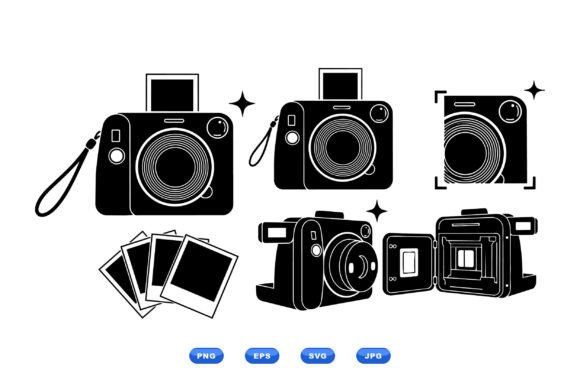
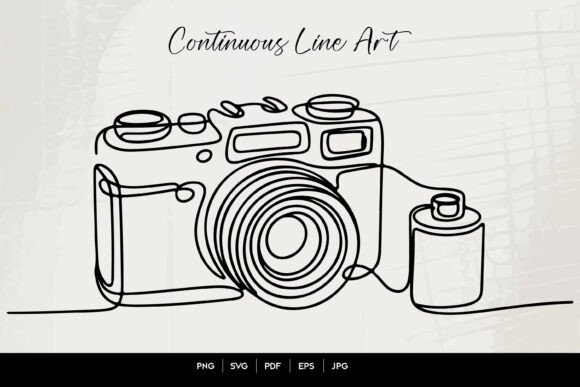
When you first load the embroidery file into your digitizing software, the immediate appeal of the Continuous Line Vintage Camera is its elegance. The concept relies on a single, unbroken line to form the silhouette of a classic camera, complete with lens details and shutter elements. It feels nostalgic without being cluttered. In a market saturated with complex, multi-color fills and dense applique designs, this minimalist approach stands out because it respects negative space.
The mood it creates is warm, artisanal, and timeless. It does not scream for attention; instead, it invites the viewer to lean in closer. For an Etsy seller or a small shop product owner, this is a significant advantage. It suggests quality and thoughtfulness rather than mass production. The design fits naturally into the Crafts and Graphics categories, appealing to photographers, film enthusiasts, and anyone who appreciates retro aesthetics. However, the beauty of the continuous line also presents a unique challenge: there is nowhere to hide mistakes. Every curve and intersection must be precise.
Real-World Application: Where This Design Shines
I recently tested this design with a specific scenario in mind: creating a personalized gift for a client who is an amateur photographer. The goal was to produce a high-end custom apparel item that felt special but not overly busy. I selected a sturdy canvas tote bag as my base. The Continuous Line Vintage Camera performed exceptionally well here. Because the line art style is clean, it translated beautifully onto the textured fabric without getting lost in the weave.
This design is incredibly versatile across various handmade products:
- Tote Bag Design: As mentioned, the open structure allows the fabric texture to become part of the art, adding depth to the finished product.
- Sweatshirt Embroidery: On a cotton blend hoodie, the design offers a subtle, sophisticated logo placement on the chest. It works particularly well when paired with simple text below it, creating a cohesive brand look for a boutique.
- Baby Embroidery: The gentle, rounded lines of the vintage camera make it safe and visually pleasing for nursery decor or baby clothes. It avoids the harshness of sharp geometric shapes, making it ideal for soft fabrics like muslin or jersey.
- Embroidered Patch: When used as a standalone motif, perhaps with a satin stitch border, it becomes a perfect badge for denim jackets or beanies, adding a touch of personality to commercial embroidery items.
The design’s adaptability extends to digital assets as well. If you sell printable mockups or design assets, this vector-friendly source material (available in SVG and EPS) allows you to scale the image effortlessly for web previews, ensuring your craft business listings look professional and crisp.
Technical Considerations and Potential Pitfalls
While the aesthetic is strong, practical application requires caution. The primary risk with any line-art design lies in the interpretation of "line" by the embroidery machine. Without proper digitizing, a thin line can disappear or pucker. Here is what you need to watch out for:
Stitch Density and Clarity
You must inspect the small details, particularly around the lens and the viewfinder hump. If the stitch density is too low, the lines may break apart during stitching. Conversely, if the digitizer packed the stitches too tightly, the fabric may pucker, ruining the smooth flow of the continuous line. Always check the thread colors; a low-contrast thread on a light background will result in a muddy, indistinct image. I recommend testing the design in black and white mockups to ensure the shape remains recognizable regardless of color choice.
Fabric and Hoop Constraints
This design should be used carefully on stretchy fabrics or curved surfaces like caps. The tension required to maintain a straight continuous line can cause distortion on knit materials unless a heavy-duty stabilizer is used. Furthermore, avoid placing this on very thin fabrics without adequate backing, as the pull of the threads may cause the fabric to ripple. For aprons or kitchen towels, which undergo frequent washing, ensure the design is robust enough to withstand friction without fraying.
Small Hoop Sizes
If you are working with limited hoop sizes, be mindful of the overall dimensions. While the design is simple, shrinking it too much can merge the distinct parts of the camera (like the lens and body) into an illegible blob. Test the design in your smallest intended hoop size before committing to a large production run.
Practical Designer Notes for Execution
To get the best results from the Continuous Line Vintage Camera, follow these practical steps:
- Test on Scrap Fabric: Never go straight to your final garment. Run the design on a scrap piece of the same fabric to check for puckering, thread breaks, or alignment issues.
- Check Thread Color Contrast: Use high-contrast threads. A dark navy or charcoal thread on a cream background often yields better definition than similar tones.
- Use Proper Stabilizer: Depending on your fabric, choose between cut-away or tear-away stabilizers to support the running stitch and satin stitch elements effectively.
- Verify Licensing: Before selling finished items or using this as a digital embroidery file for clients, confirm the licensing terms. Ensure you have the right to use the design for commercial purposes, especially if you are integrating it into a larger brand identity.
- Inspect Small Details: Zoom in on the digitized version. Are the corners sharp? Is the continuity of the line maintained? If the original source file has gaps, your embroidery will too.
Final Verdict
The Continuous Line Vintage Camera is a standout choice for designers seeking a blend of nostalgia and modern minimalism. It elevates the perceived value of a personalized gift or small business merchandise through its clean, intentional aesthetic. While it demands respect for stitch density and fabric choice, the payoff in terms of visual appeal and customer trust is significant. For the creative entrepreneur looking to add a touch of artistic flair to their embroidery project portfolio, this design is a reliable and stylish addition.