Vintage Camera Clipart Pack Review
As a designer who spends half my day staring at stitch charts and the other half arguing with thread tension, I don’t just buy graphics because they look pretty. I buy them because they translate. The moment I pulled open the Vintage Camera Clipart Pack, my first thought wasn’t about how cute the cameras looked on screen, but how they would behave under the needle. In the world of machine embroidery, screen-perfect vector art often falls apart when scaled down to a four-inch hoop. That is why evaluating this asset requires a shift in perspective: we are moving from digital consumer to physical maker.
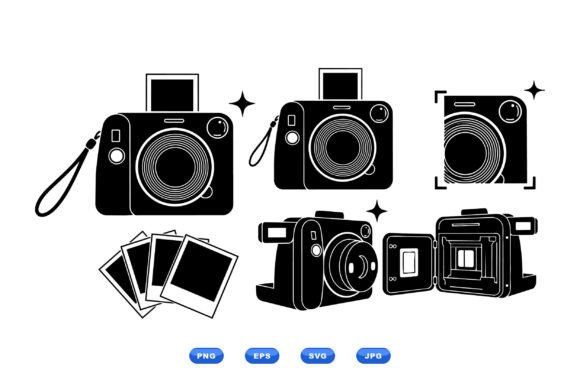
This collection presents a flat minimalist vector set featuring instant cameras and polaroid prints. The aesthetic is undeniably retro, tapping into that nostalgic warmth that performs exceptionally well in the handmade market. But does it hold up when converted into an embroidery file? Let’s break down the practical application for craft business owners, Etsy sellers, and serious hobbyists.
The First Impression: Mood and Minimalism
The visual personality of the Vintage Camera Clipart Pack is clean, uncluttered, and highly recognizable. Because the design relies on strong outlines and solid shapes rather than intricate shading or complex gradients, it feels inherently suited for digitization. Minimalist designs are generally safer bets for embroidery because they reduce the risk of "muddy" stitching where different colors bleed into one another. The multiple angles provided—front views, side profiles, and scattered polaroid prints—offer versatility. You aren't locked into a single composition; you have options to create balanced layouts for larger garments or compact accents for smaller accessories.
For a small shop product, this kind of clear visual language is gold. It communicates instantly. A customer scrolling through your Etsy listing doesn’t need to decipher abstract shapes; they see a camera, they feel a memory, and they want the product. This clarity translates directly to buyer engagement. When the design is easy to read, the perceived value of the finished piece increases because it looks intentional and professional.
Real-World Application: From Screen to Stitch
Let’s imagine a specific scenario. You are preparing a custom embroidered tote bag for a local craft fair. The client wants something chic, artistic, and slightly vintage. They love photography. Using the Vintage Camera Clipart Pack, you might place a large instant camera graphic centered on the bag, surrounded by a few smaller polaroid frames containing simple floral motifs (which you could add separately). The result is a cohesive narrative. The tote becomes more than a bag; it becomes a statement piece for the creative entrepreneur.
This same design logic applies beautifully to sweatshirt embroidery. A chest-sized placement of a single camera outline, perhaps filled with a satin stitch or a light fill stitch depending on the desired texture, offers a sophisticated look without overwhelming the garment. For baby embroidery, such as a onesie or a blanket, the soft, rounded lines of these cameras are gentle and appropriate. It avoids the harshness of overly technical or sharp industrial designs, making it perfect for nursery decor or personalized gifts for new parents.
I also see strong potential here for embroidered patches. The distinct borders of the cameras make them ideal candidates for applique design techniques. By cutting out fabric shapes that match the camera bodies and stitching around them, you can create a dimensional effect that pops off the cap or jacket. This adds a layer of professionalism and durability that standard flat embroidery sometimes lacks, especially for items that will see heavy wear.
Where Caution Is Required
While the minimalist nature of the Vintage Camera Clipart Pack is a strength, it is not without pitfalls. Embroidery designers know that what looks good in vector software can be disastrous in a hoop. Here is where you need to exercise judgment:
- Small Hoop Sizes: If you attempt to digitize the detailed corners of the camera lenses or the text on the polaroid borders into a very small space, you may lose definition. Satin stitches on tiny curves can pucker if the density is too high. Always test the design on scrap fabric first to ensure the details remain legible.
- Fabric Texture and Stretch: Avoid placing intricate camera details on highly textured fabrics like heavy boucle wool or extremely stretchy spandex blends unless you are using a stabilizer specifically matched to the fabric weight. On thin or sheer fabrics, the backing of the embroidery can become visible and ruin the delicate aesthetic of the minimalist design.
- Curved Surfaces: Applying this design to caps or curved hat panels requires careful hooping. The flat geometry of the camera might distort if the fabric isn’t held taut enough. Inspect small details closely after stitching to ensure the lens circles remain round and not oval.
- Dense Stitch Areas: While the design is minimal, if you choose to use a dense fill stitch for the entire body of the camera, it can become stiff and uncomfortable, particularly on apparel like t-shirts or baby clothes. Lighter stitch types, such as running stitch for outlines or sparse fill, often preserve the soft hand-feel of the garment better.
Technical Considerations for the Maker
Before committing this design to a commercial project, there are several practical steps every embroiderer should take. First, check the thread color contrast. A black camera on a black fabric won’t show, no matter how beautiful the vector is. Test it in black and white mockups to ensure the silhouette stands out against your chosen fabric background.
Review the stitch density during the digitizing phase. Even though the source is a vector, the conversion to an embroidery project involves decisions about underlay and topstitching. Confirm hoop size compatibility with your specific machine to avoid mid-stitch errors. If you plan to sell these items, confirm licensing terms. Does the pack allow for commercial use of the finished physical goods? This is a critical question for any Etsy seller or boutique owner looking to scale their craft business.
Final Verdict on Visual Appeal and Value
The Vintage Camera Clipart Pack succeeds because it respects the limitations and opportunities of the medium. It doesn’t try to be photorealistic; it embraces its graphic roots. This honesty makes it trustworthy. Customers can appreciate the craftsmanship because the design doesn’t hide behind complexity. It highlights the skill of the stitcher.
For digital product sellers, these assets are excellent for creating printable mockups or digital embroidery files. The clean lines ensure that your digital previews look sharp on mobile devices, which is where most shoppers browse. For the handmade product creator, this pack offers a reliable foundation for holiday embroidery collections, wedding gifts, and seasonal merchandise. The retro theme has timeless appeal, reducing the risk of your inventory looking dated next year.
In conclusion, this is a practical, versatile addition to your design assets library. It bridges the gap between modern digital aesthetics and traditional textile craft. Whether you are decorating a kitchen towel with a simple camera motif or building a full brand identity around photography-themed apparel, the Vintage Camera Clipart Pack provides the structural integrity needed to produce high-quality, desirable finished products. Just remember: always test, stabilize properly, and let the simplicity of the design speak for itself.